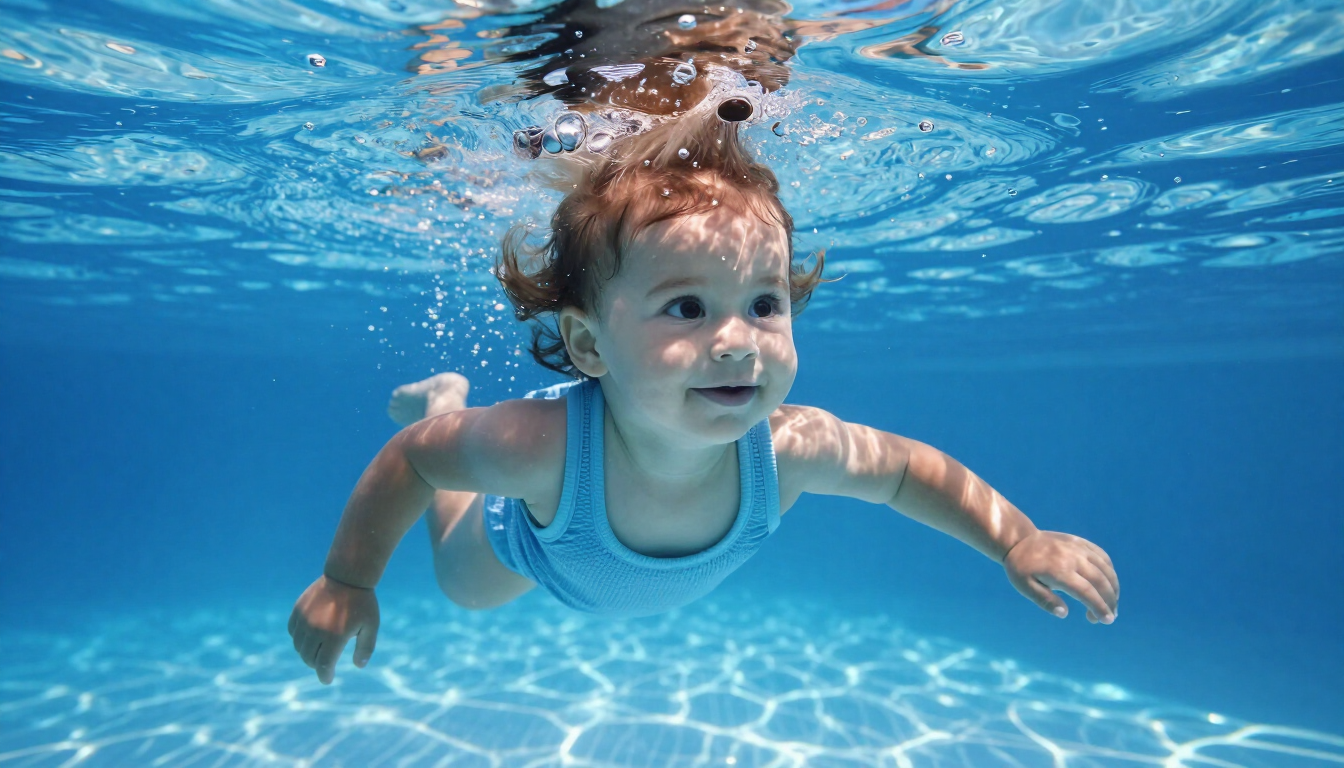
5 Ways to Help Kids Overcome Fear of Water

September 20, 2026

Share this article

Helping a child overcome a fear of water requires patience, gradual exposure, and a positive environment. Start by introducing water through play in shallow areas, using toys and games to build comfort. Consistency and professional swim lessons eventually transform swimming anxiety into confidence and essential life-saving skills for children.

Why do some children fear the water?

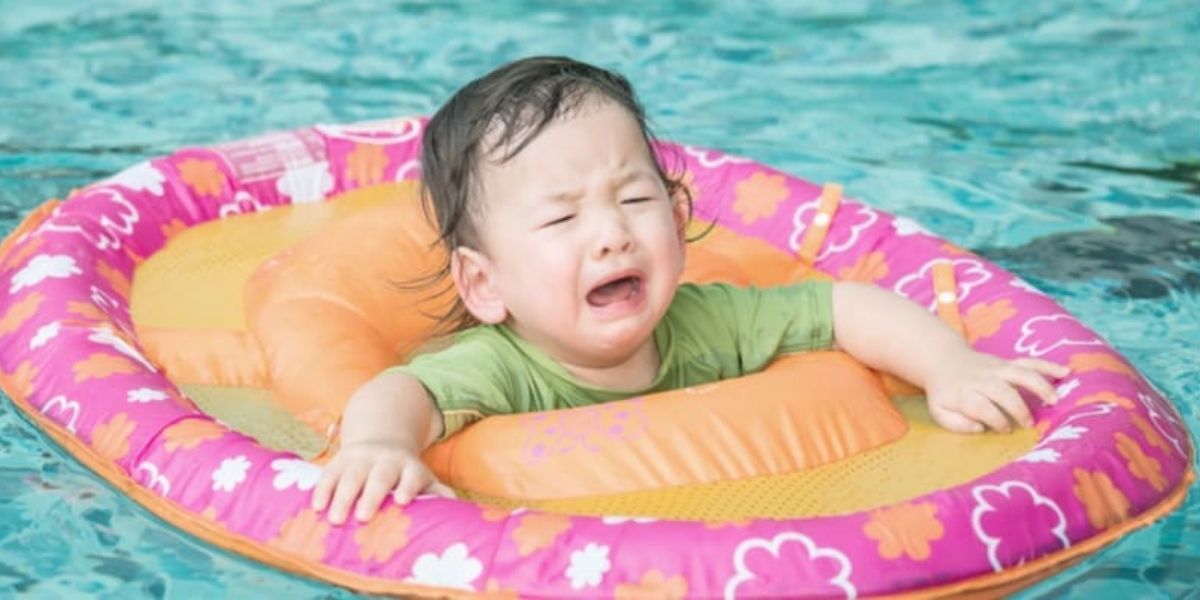
Fear of water, or aquaphobia, is a common developmental phase for many children. It often stems from a combination of sensory overload and a lack of control. For a young child, the sensation of water in their eyes, the loud echoes of an indoor pool, or the feeling of instability when their feet leave the ground can be overwhelming. Understanding the root of this anxiety is the first step in helping them overcome fear of water.

In some cases, a negative past experience—such as an accidental slip in the bathtub or a sudden splash—can trigger a lasting aversion. Other children may simply be cautious by nature, needing more time to observe their surroundings before diving in. Regardless of the cause, the goal is to validate their feelings while slowly expanding their comfort zone. For the youngest swimmers, starting with Water Babies classes can provide a gentle, parent-led introduction that minimizes stress.

Gradual Exposure Strategies for Water Confidence

Moving too fast is the most common mistake parents make when trying to help a child swim. The key to building lasting water confidence is a process called gradual exposure. This involves breaking down the swimming experience into tiny, manageable steps that do not trigger the child’s “fight or flight” response.

  • Start in the Bathtub: Use bath time to practice gentle face wetting and blowing bubbles.
  • Poolside Observation: Let your child sit on the edge and watch other kids play without any pressure to get in.
  • Shallow Water Play: Begin in a zero-entry pool or on the top step where they feel completely grounded.
  • Touch and Feel: Use sponges or watering cans to let them control how much water touches their skin.
  • Maintain Physical Contact: Hold your child securely until they give you a verbal signal that they are ready to be held at arm's length.
Child playing with toys in pool

How can play help reduce swimming anxiety?

Play is the universal language of childhood, and it is a powerful tool for distracting a child from their fear of swimming. When a child is focused on a game or a favorite toy, their brain shifts from a state of worry to a state of engagement. This neurological shift allows them to experience the water in a positive context.

Try incorporating toys that float or sink to encourage different types of movement. For example, chasing a floating rubber duck helps with horizontal movement, while reaching for a colorful ring in very shallow water encourages them to lower their face toward the surface. In our Guppies program, we use these play-based techniques to help toddlers associate the pool with fun rather than fear. The more they laugh in the water, the less they will fear it.

The Importance of Social Support in Swimming

Children are highly influenced by the behavior of their peers and family members. If a child sees their siblings or friends splashing and having a good time, their natural curiosity often begins to outweigh their fear. This social proof is a vital component of helping a child overcome fear of water.

However, avoid comparing your child to others in a way that creates shame. Instead, point out the fun others are having. Enrolling a child in group swim levels allows them to see other children their age master the same skills. This shared experience creates a sense of belonging and community.

Recent Posts

A happy toddler learning to swim independently in a bright blue pool.
August 11, 2026
Learn how Atlantis Swim Academy’s Toddler Transition Program helps children ages 2.5–3 move from Parent & Me to independent swim classes safely in Burnsville and Savage.
Child wearing goggles smiling at the edge of an indoor swimming pool.
August 11, 2026
Discover why year-round swim lessons are a smart investment in your child’s safety and development. Learn about skill retention, confidence, and physical health.
May 31, 2026
What makes Atlantis Swim Academy unique?
A baby being gently supported in a pool during a swim lesson with a smiling instructor.
April 26, 2026
Learn why babies cry during swim lessons and discover practical tips for parents to help their little ones adjust. Understand sensory overload, stranger anxiety, and the best ways to stay calm and positive in the water.
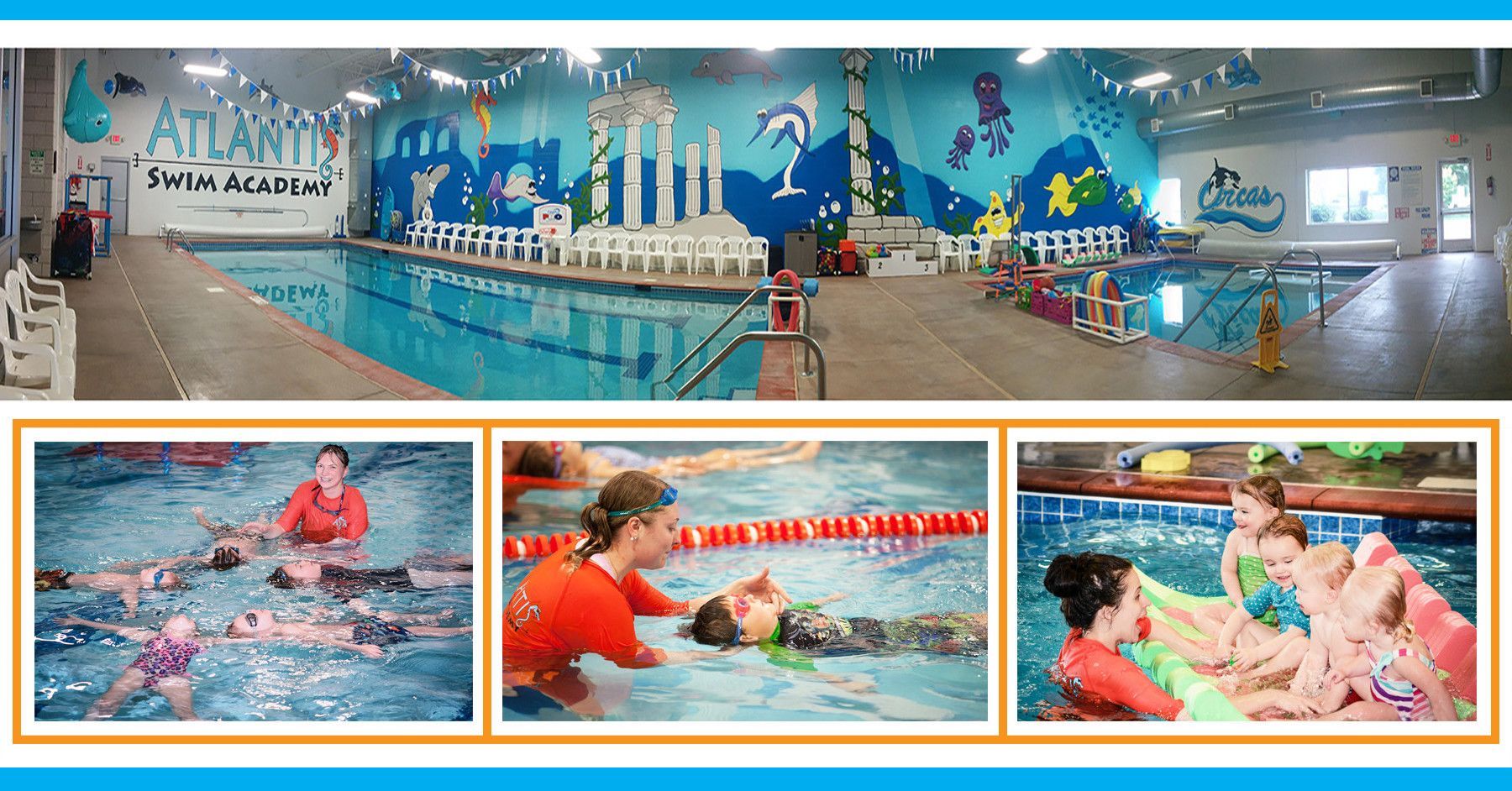
Happy child swimming in an open indoor pool environment
March 28, 2026
Discover why Atlantis Swim Academy uses open space instead of dividers. Learn how unrestricted pools improve child confidence, endurance, and safety.
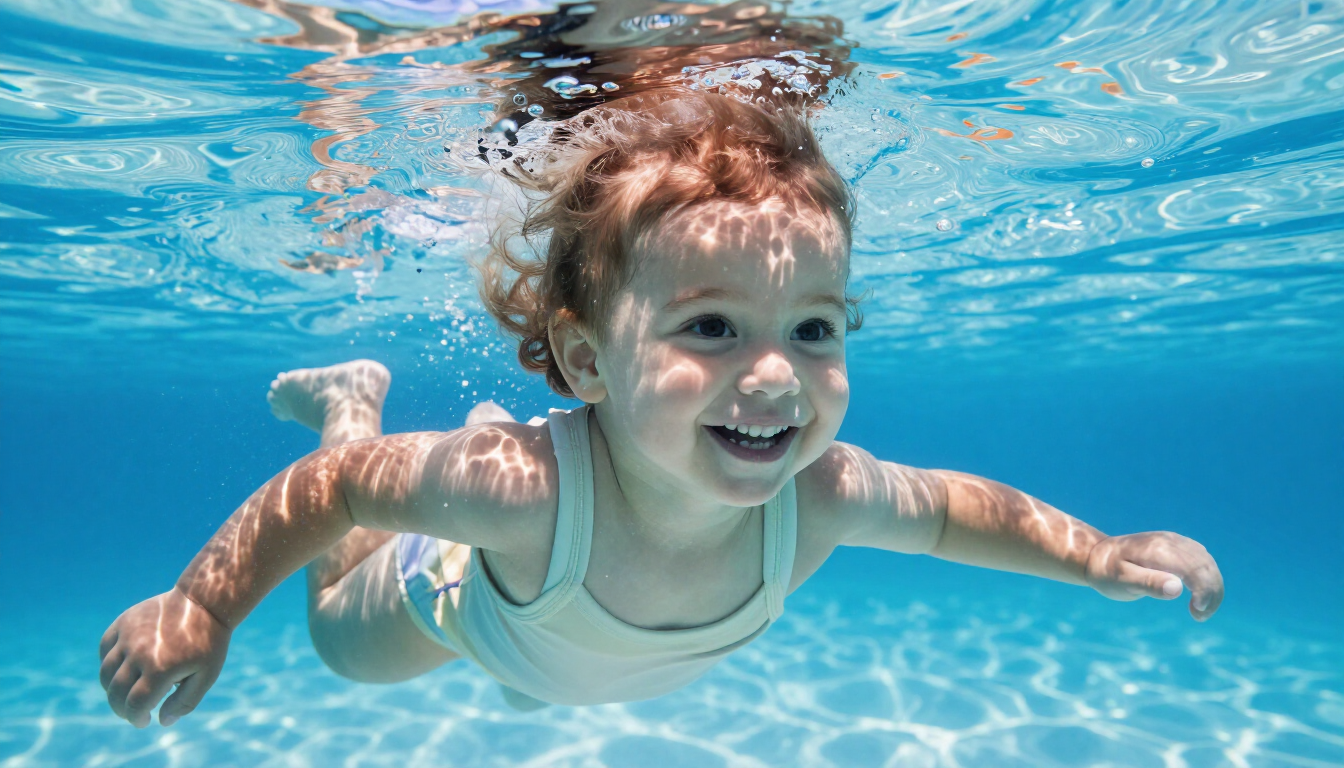
Young child learning to swim with instructor in a bright pool environment
March 22, 2026
Discover why science says young swimmers are smarter. Learn how early swim lessons boost cognitive development, motor skills, and bonding for children in Burnsville.
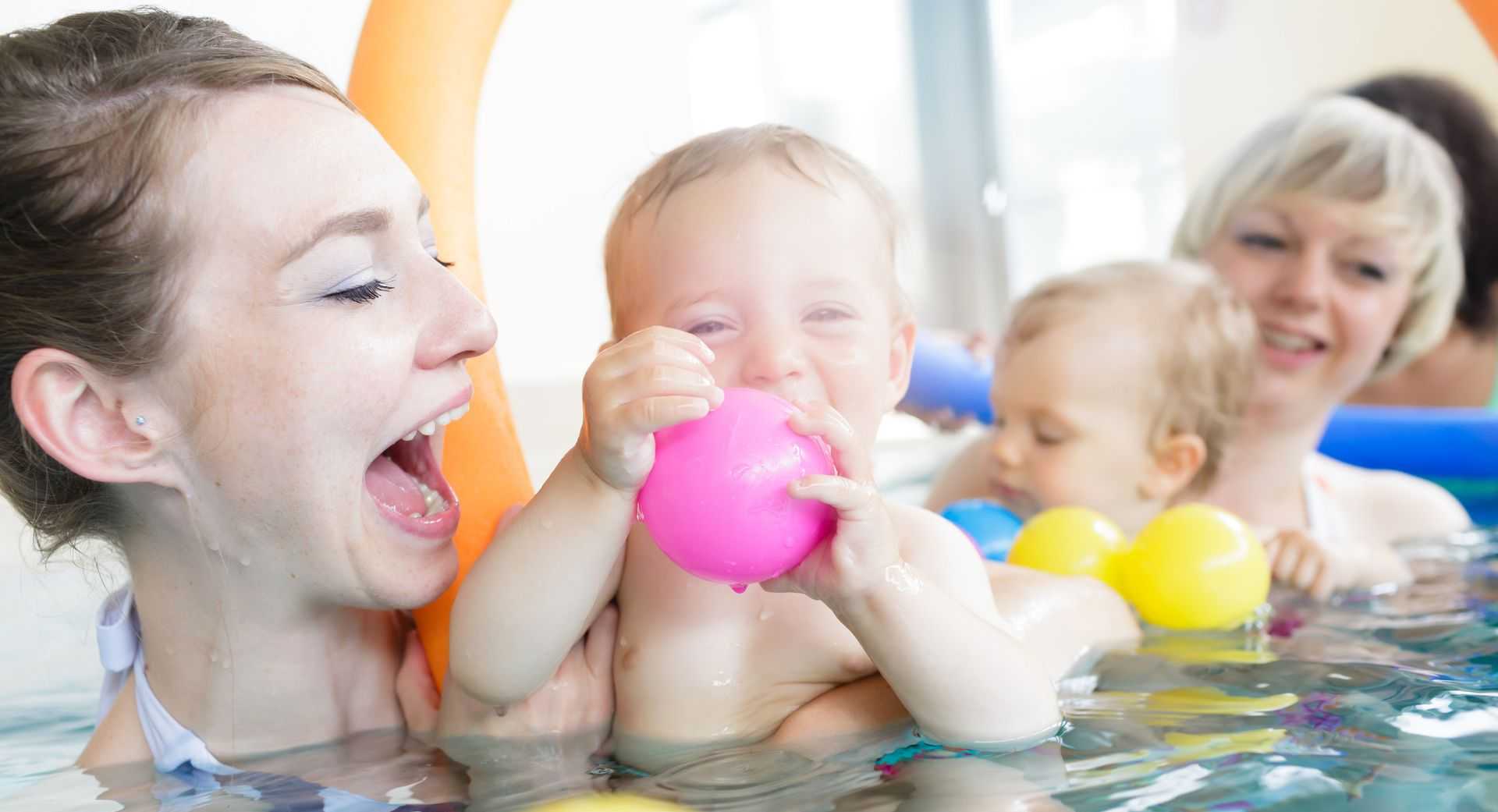
Child learning to swim with instructor in indoor pool
March 11, 2026
Discover essential tips for swim parents to help your child succeed in the water. Learn the do's and don'ts of swim lessons in Burnsville and Savage, MN.