

5 Best Swim Parent Tips: Do's and Don'ts for Success

March 11, 2026

Share this article

To support your child's swimming journey, focus on setting realistic expectations, maintaining lesson consistency, and providing positive encouragement. Avoid long breaks between sessions and use photos or videos to celebrate progress and identify areas for improvement. These steps ensure a confident and capable swimmer in any aquatic environment.

What are the most important tips for swim parents?

Navigating the world of swim lessons can be as rewarding for parents as it is for children. Our swim school sees firsthand how parental involvement shapes a child's success in the water. Being a "swim parent" is about more than just driving to the pool; it is about creating a supportive environment that fosters confidence, safety, and a lifelong love for swimming. Whether your child is starting in  Water Babies  or advancing through our  Swim Levels, these tips provide a roadmap for navigating the do's and don'ts of the pool deck.

Tip #1: Do Set Realistic Expectations

One of the most common pitfalls for new swimming parents is expecting immediate results. Learning to swim is a complex motor skill that involves breath control, buoyancy, and coordination. Every child progresses at a different pace. Some may take to the water like a fish, while others might spend several weeks just getting comfortable with their face in the water.

  • Focus on small milestones rather than big jumps.
  • Celebrate breath-holding as much as a full lap.
  • Understand that plateaus are a natural part of learning.
  • Avoid comparing your child’s progress to their peers.

Setting realistic expectations prevents frustration for both you and your child. When a child feels pressured to perform, they often develop anxiety about the water, which can lead to setbacks. Instead, emphasize the fun and safety aspects of the lessons.

Tip #2: Don't Take Loooooooooong Breaks

Consistency is the secret ingredient to swimming success. We often see parents pull children out of lessons during the winter months or busy sports seasons, only to find that the child has regressed significantly upon their return. Swimming is a "perishable" skill. Without regular practice, the muscle memory and water comfort built over months can fade in just a few weeks.

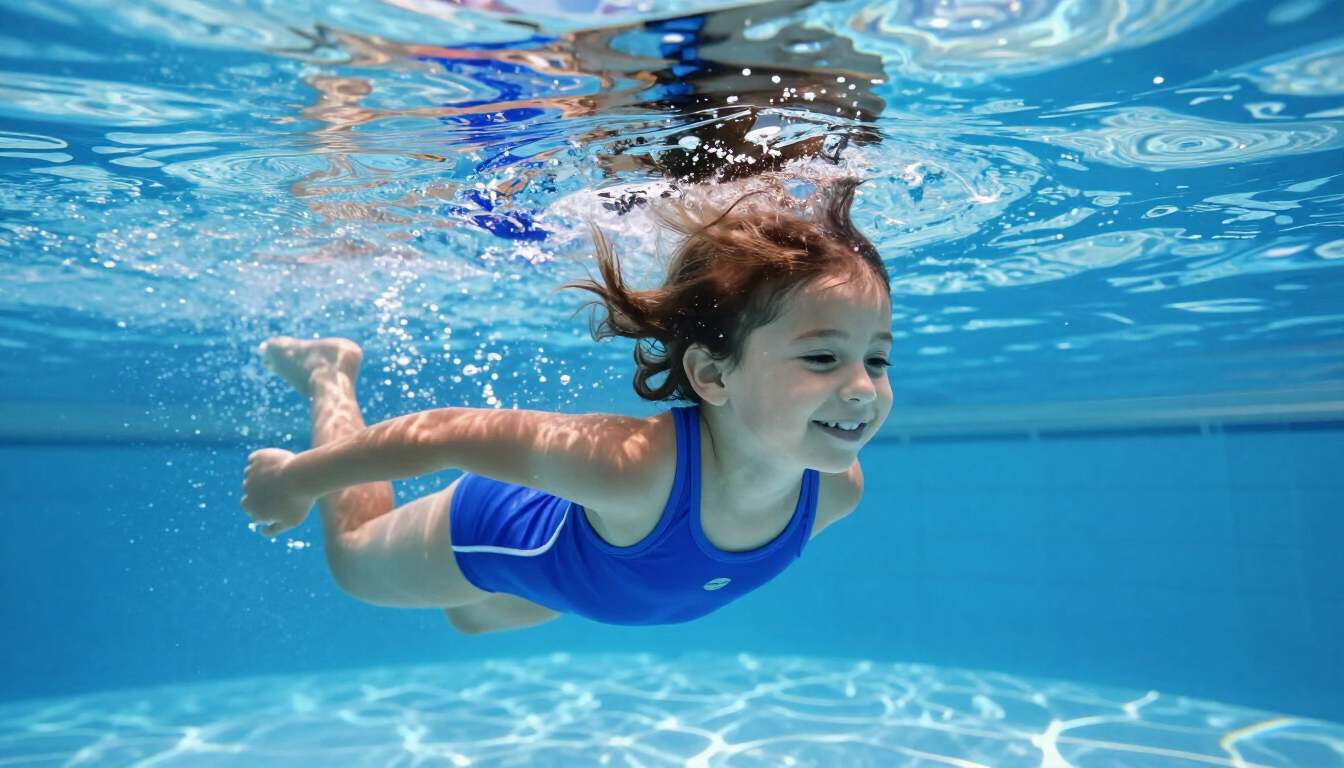
A child practicing kicking in a bright blue pool

Taking long breaks often means your child has to spend the first few weeks of their return re-learning old skills instead of progressing to new ones. This can lead to a cycle of starting and stopping that delays peogressionto higher levels like  Sting Rays  or  Marlins. Maintaining a steady schedule, keeps the progress moving forward and ensures that water safety skills remain sharp year-round.

Why is positive encouragement vital for young swimmers?

Swimming can be intimidating. For a young child, a large pool is a vast, unfamiliar environment. Your role as a parent is to be the ultimate cheerleader. The psychological impact of parental encouragement cannot be overstated; it builds the emotional resilience needed to tackle new challenges, like the first time they swim without a floatation aid or attempt a deep-water jump.

Tip #3: Do Encourage Your Child Every Step of the Way!

Encouragement should be specific and positive. Instead of a generic "good job," try saying, "I loved how you kept your bubbles going the whole time!" or "You looked so brave when you did your back float today." This specific feedback helps the child understand exactly what they are doing well, which reinforces those behaviors.

  • Discuss lessons during the car ride home.
  • Ask them what their favorite part of the class was.
  • Focus on effort over perfect execution.
  • Acknowledge the courage it takes to try something new.

In our Jellyfish and Star Fish classes, we see that children who receive consistent, positive reinforcement from home are much more likely to attempt more difficult skills with a smile. If your child is struggling with a particular skill, remind them of how far they have already come. Your belief in their ability often becomes their belief in themselves.

Tip #4: Do We Really Have to Say it? (The Basics)

This "do" covers the fundamental logistics that make the lesson experience smooth for everyone. While it might seem obvious, being prepared is a major factor in how a child perceives their swim lesson. Stressing about being late or forgetting a towel creates a chaotic start to what should be a focused learning session.

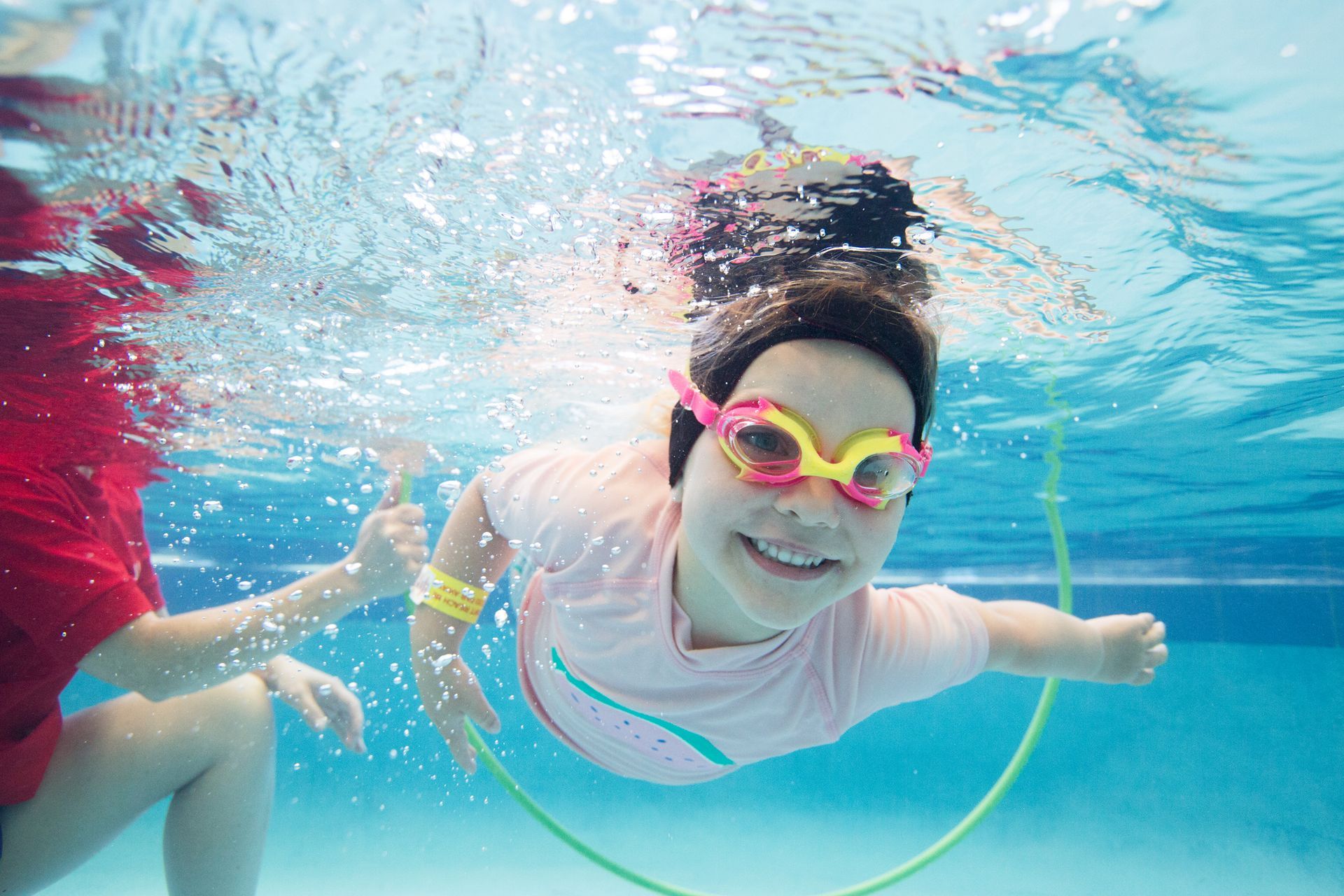
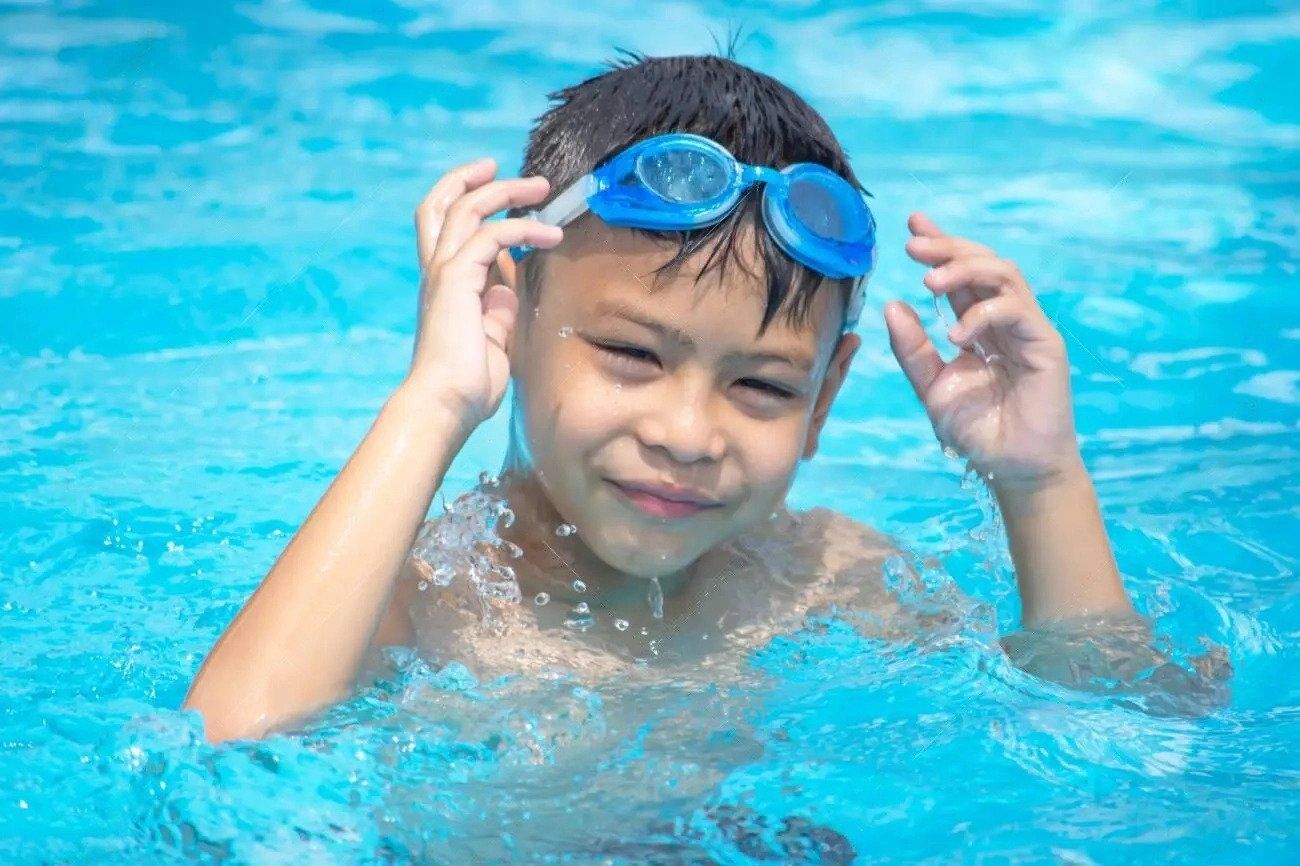
A parent helping a child put on goggles at the pool side
  1. Arrive early: Aim to be at the facility 10 minutes before the start time to change.
  2. Proper Gear: Ensure suits fit well and goggles are adjusted properly beforehand.
  3. Bathroom First: A mid-lesson bathroom break can disrupt the entire class flow.
  4. Consistency: Stick to your Schedules to build a routine the child can rely on.
  5. Health Check: If your child is unwell, it is better to stay home and rest, our polocy allows for free make-ups when communicated to our office before 9am.

When a child arrives calm and prepared, they are ready to learn the moment they enter the water. This respect for the routine also shows respect for the instructor and the other students in the class.

How can I help my child improve their swimming skills?

While the instructor handles the technical teaching, you can play a pivotal role in the "review" process. Helping your child visualize their progress is a powerful tool for improvement. In the age of smartphones, you have a high-tech coaching tool right in your pocket that can be used effectively.

Tip #5: Take PLENTY of Pictures and Video

Visual feedback is incredible for learning. Often, a child doesn't realize their legs are dropping during a back float or that their arms aren't reaching far enough during freestyle. Seeing a video of themselves can make the instructor's corrections "click" in a way that words cannot.

  • Celebrate the Wins : Record those "first time" moments to look back on.
  • Review Together : Watch the video with your child and ask them what they see.
  • Focus on Growth : Compare a video from today to one from three months ago.
  • Stay Positive : Always point out what they did right before mentioning an area to fix.


Using media for improvement isn't just for the most adfvanced classes in our  Dolphins  or  Orcas  programs; it's useful at every level. It also serves as a digital scrapbook of their childhood achievements. Many parents find that sharing these videos with family members who can't attend the lessons provides another layer of encouragement for the child.

Essential Resources for Swim Parents

To make your journey even smoother, we provide several specialized programs designed to meet individual needs. If you feel your child needs more focused attention, our Private Lessons offer one-on-one coaching. For those looking for a fun weekend activity, check out our Open Swim times or consider us for your next Birthday Parties .

If you have any questions about our curriculum or your child's progress, please do not hesitate to  Contact  us. We are here to support both the swimmer and the parent in every splash! We are proud to serve the families of Burnsville and Savage, and the greater area here in MN, and look forward to seeing you at the pool.

Key Takeaways for New Swim Parents

Becoming a supportive swim parent involves a blend of patience, consistency, and positive energy. By following these guidelines, you create a foundation for your child to excel and feel safe in the water. Remember that swimming is a journey, not a race. Your support on the sidelines is just as important as the instruction in the pool.

  • Consistency is Key : Avoid long breaks to prevent skill regression.
  • Be Prepared : Arrive early and ensure all gear is ready for a stress-free start.
  • Stay Positive : Use specific encouragement and visual feedback to build confidence.
  • Manage Expectations : Understand that every child learns at their own pace.


By following these do's and don'ts, you ensure that your child’s experience with swim lessons is one of growth, joy, and safety. We look forward to seeing your family progress through our levels and celebrating every milestone together!

Recent Posts