Why Young Swimmers Are Ahead (Science-Backed Benefits)

March 22, 2026

Share this article

Early aquatic education stimulates bilateral cross-patterning movements, which build neural connections across the brain’s corpus callosum. Research from Griffith University indicates that children who swim early reach developmental milestones—including language, spatial awareness, and motor skills—months ahead of their non-swimming peers.

How Does Swimming Boost Cognitive Development?

The connection between water and the brain is more profound than most parents realize. When a child engages in swimming, they aren't just splashing; they are performing complex physical tasks that require significant cognitive processing. Science suggests that the sensory-rich environment of a pool provides a unique stimulus for the developing nervous system.

According to a four-year study by the Griffith Institute for Educational Research, young swimmers (under the age of five) were found to be significantly more advanced in several key areas compared to the general population. This wasn't just limited to physical prowess; it extended to mental and linguistic abilities as well.

Key cognitive milestones reached earlier by swimmers:

  • Language Expression: Faster acquisition of new vocabulary and sentence structure.
  • Visual-Motor Skills: Improved ability to cut paper, color within lines, and draw shapes.
  • Oral Expression: Better clarity and confidence when communicating with adults.
  • Storytelling: Ability to sequence events and explain concepts logically.
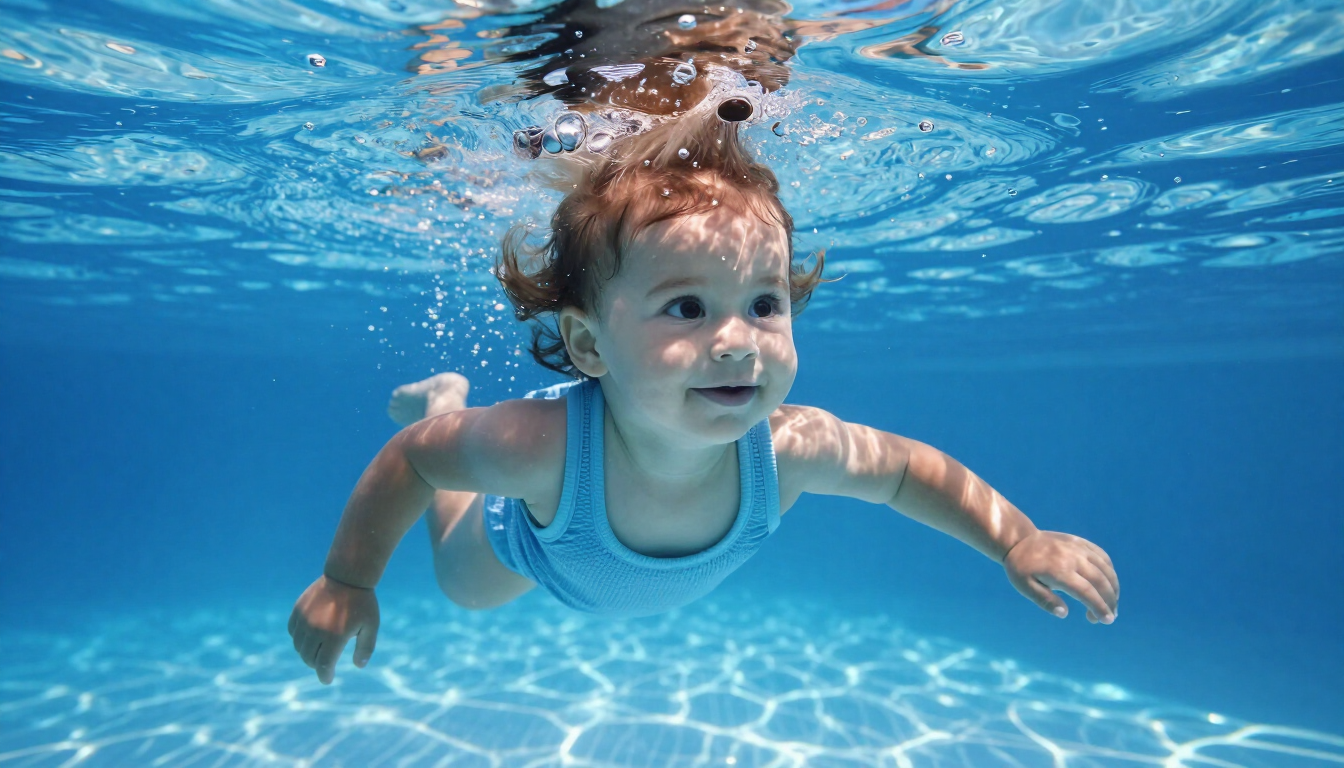
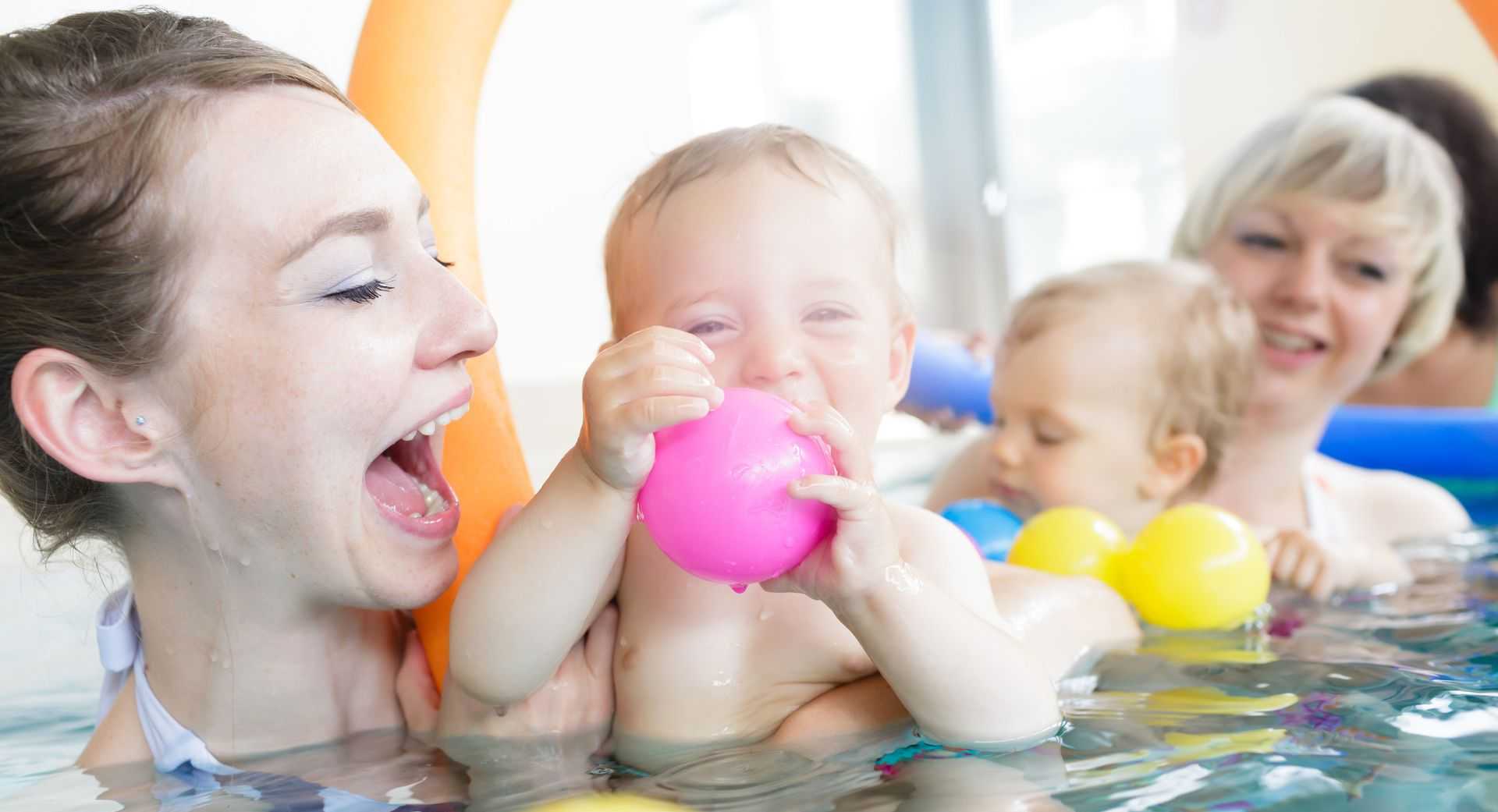
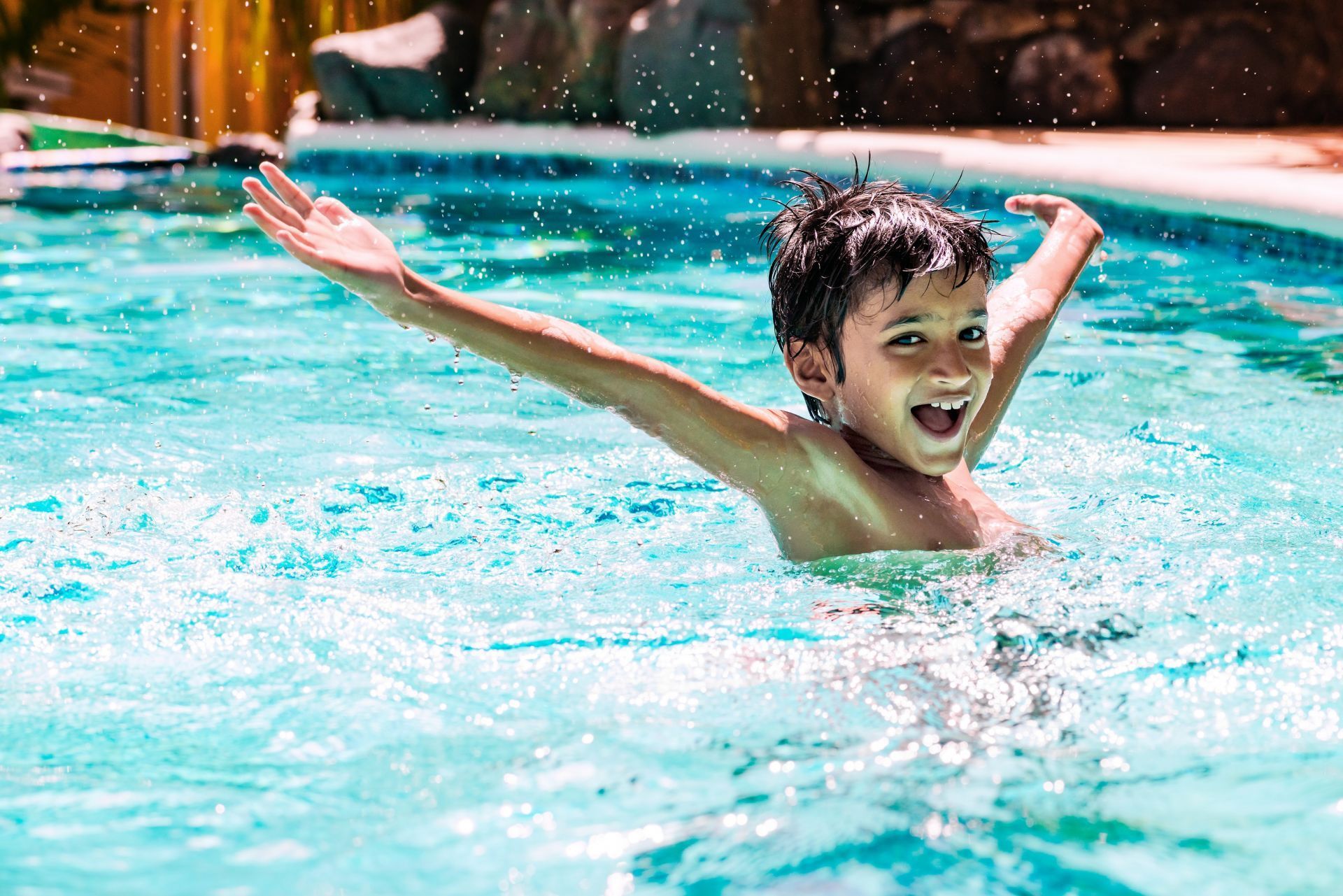
Toddler learning in a bright pool environment

The Science of Bilateral Cross-Patterning

One of the most fascinating reasons why young swimmers are ahead of their same-age toddlers lies in the physical mechanics of the strokes. Swimming involves bilateral cross-patterning movements—using both sides of the body simultaneously to perform different actions. For example, kicking legs while reaching forward with alternating arms.

This movement pattern forces the left and right hemispheres of the brain to communicate more efficiently. By strengthening the corpus callosum (the tissue connecting the two halves), swimming helps the brain process information faster and more accurately. This cross-lateral movement is foundational for later skills like reading, writing, and complex problem-solving. When you enroll your child in  Swim Lessons, you aren't just teaching them to float; you are building and training a better brain.

Can Early Swim Lessons Improve Motor Skills?

Yes, the buoyancy of water allows infants and toddlers to move in ways they cannot on land. For a baby who cannot yet walk, the water provides a 360-degree range of motion that accelerates muscle development and coordination. This increased mobility translates directly to "land-based" success.

Science shows that early swimmers develop better balance and grasping techniques. Because water provides natural resistance, every movement helps build core strength and fine motor control. Our  Water Babies  and  Guppies  programs focus specifically on these developmental transitions.

Important Bond Building Through Water Play

While the cognitive benefits are impressive, the emotional foundation laid during early swim lessons is equally vital. Swimming is often one of the few times during the day when a parent is 100% focused on their child without the distraction of screens or household chores. This skin-to-skin contact and eye-to-eye engagement release oxytocin, the "bonding hormone."

Why bonding in the water matters:

  • Building Trust: The child learns to trust their parent and instructor in a new environment.
  • Emotional Security: Mastery of water skills builds a sense of "I can do it" confidence.
  • Socialization: Interaction with other children in group classes fosters early social skills.
  • Reduced Anxiety: Familiarity with water prevents the "fear phase" often seen in older children.
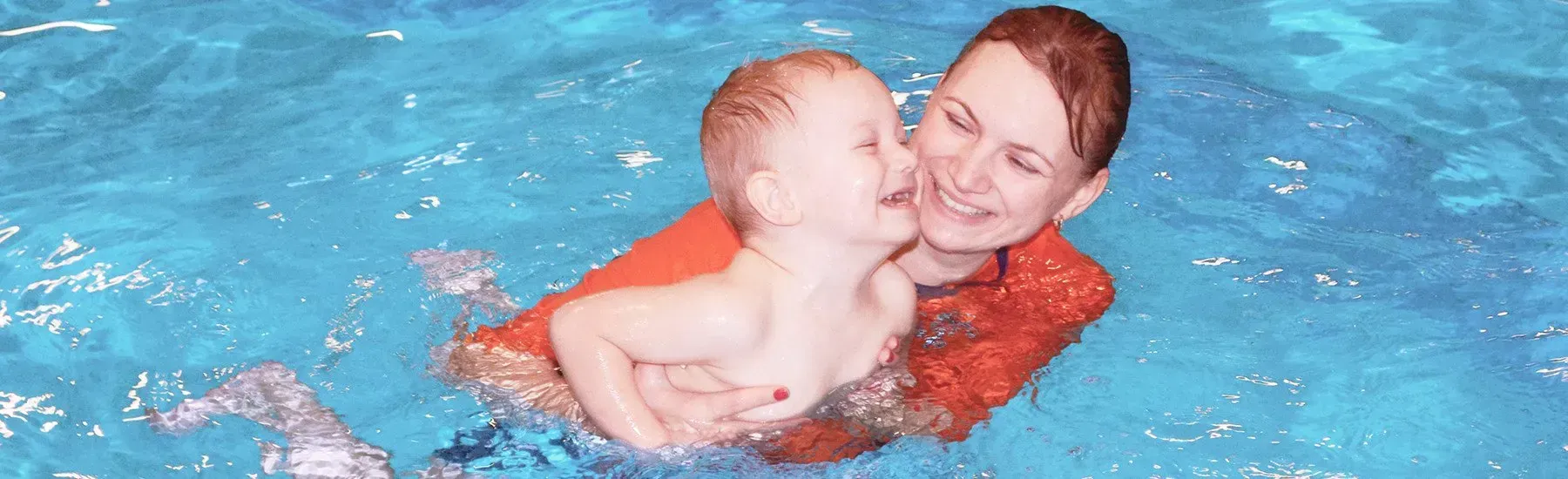
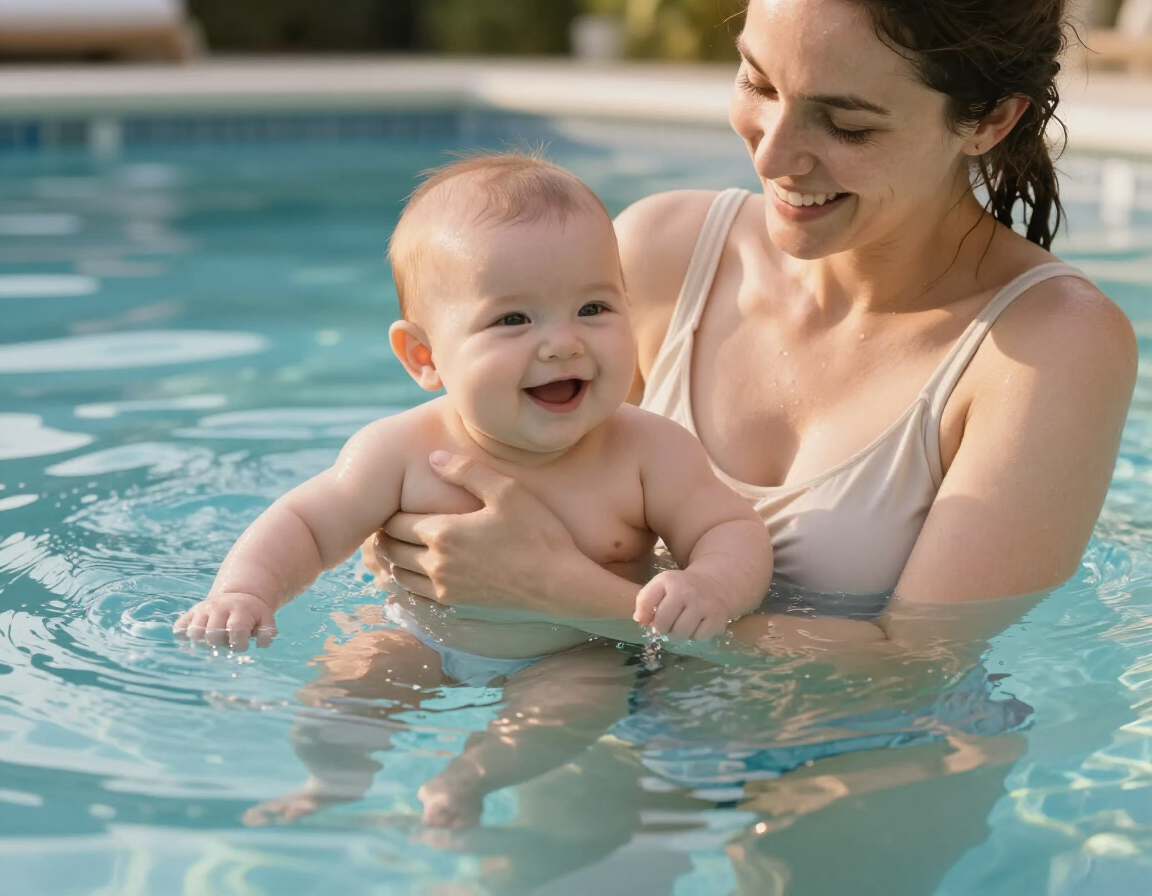
Parent and baby bonding in water

When Should You Start Swim Lessons?

The American Academy of Pediatrics (AAP) suggests that children can benefit from swim lessons as early as age one, and many others see incredible benefits starting at three months old. The earlier a child is introduced to the water, the more natural and beneficial the experience becomes.

Next Steps for Parents

If you are looking to give your child a head start in both the pool and the classroom, starting early is the key. The science is clear: the physical and mental stimulation provided by swimming is unmatched by almost any other early childhood activity.

Takeaway summary for parents:

  • Start Early: Use programs likeWater Babiesto begin cognitive stimulation at 3 months.
  • Be Consistent: Regular weekly lessons reinforce neural pathways and motor memory.
  • Focus on Fun: A positive environment ensures the child remains engaged and eager to learn.


Ready to see the difference for yourself? Sign up for a Free Trial Class today and watch your little one grow smarter and stronger with every splash!

Recent Posts

Child learning to swim with instructor in indoor pool
March 11, 2026
Discover essential tips for swim parents to help your child succeed in the water. Learn the do's and don'ts of swim lessons in Burnsville and Savage, MN.