Why Babies Cry in Swim Lessons (and How to Help)

April 26, 2026

Share this article

Babies cry during swim lessons because they are processing a new, high-stimulation environment involving sensory overload, cooler water temperatures, and stranger anxiety. It is a completely normal developmental response to unfamiliar surroundings. With consistent attendance, a calm parental attitude, and patient instruction, most infants successfully adapt and develop water confidence within a few sessions.

Why do babies cry during their first swim lessons?

If you are a first-time parent walking into your first Water Babies (3 Mo.-6 Mo.) or Guppies (6 Mo.-28 Mo.) class, the sound of a crying baby can be startling. However, it is important to remember that for an infant, the pool environment is unlike anything they have experienced at home. we see this often, and it is almost never a sign that your child 'hates' the water. Instead, it is a sign that they are communicating their feelings about a brand-new world.

Several factors contribute to these initial tears. First and foremost is sensory overload . An indoor pool is a symphony of new sensations: the echo of voices, the splashing of water,, and the unique feeling of buoyancy. For a baby who is used to the quiet, controlled environment or a calm living room, this sudden influx of data can be overwhelming. Their primary way to express this overwhelm can be by crying.

Another significant factor is stranger anxiety . As babies reach certain developmental milestones, they become more aware of who is 'their person' and who is a stranger. Even in parent-and-me classes where you are holding your child, the presence of a new instructor and several other families in close proximity can trigger a defensive emotional response. They are simply checking in with you to see if this new environment and these new people are safe.

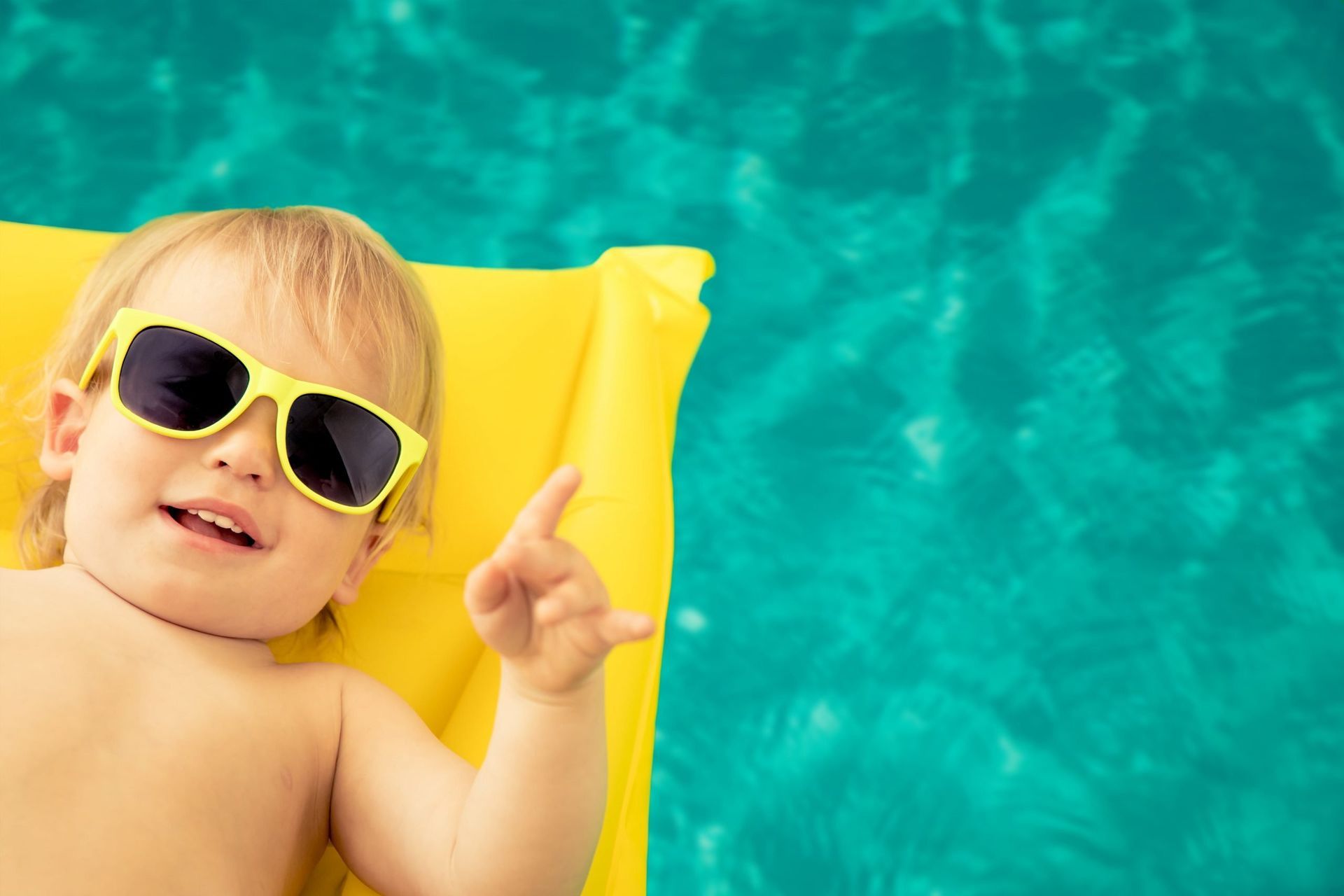
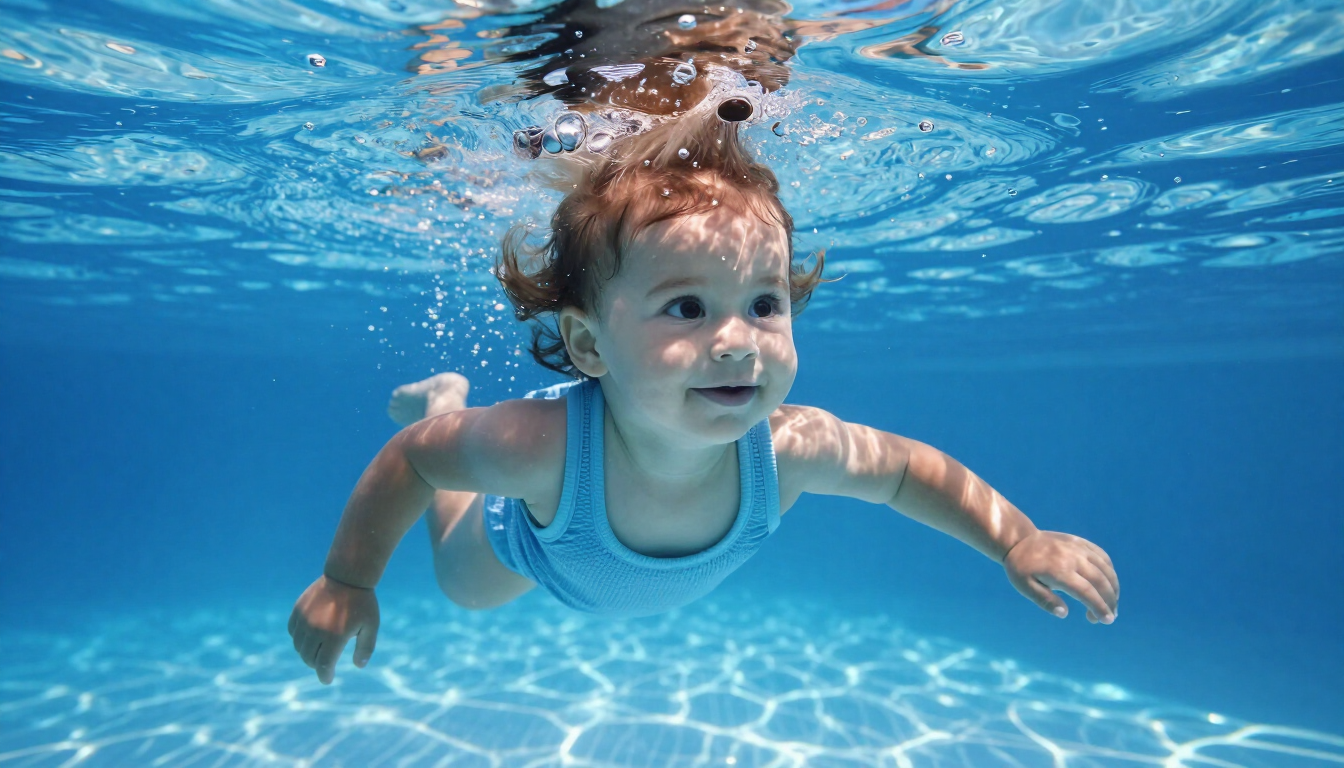
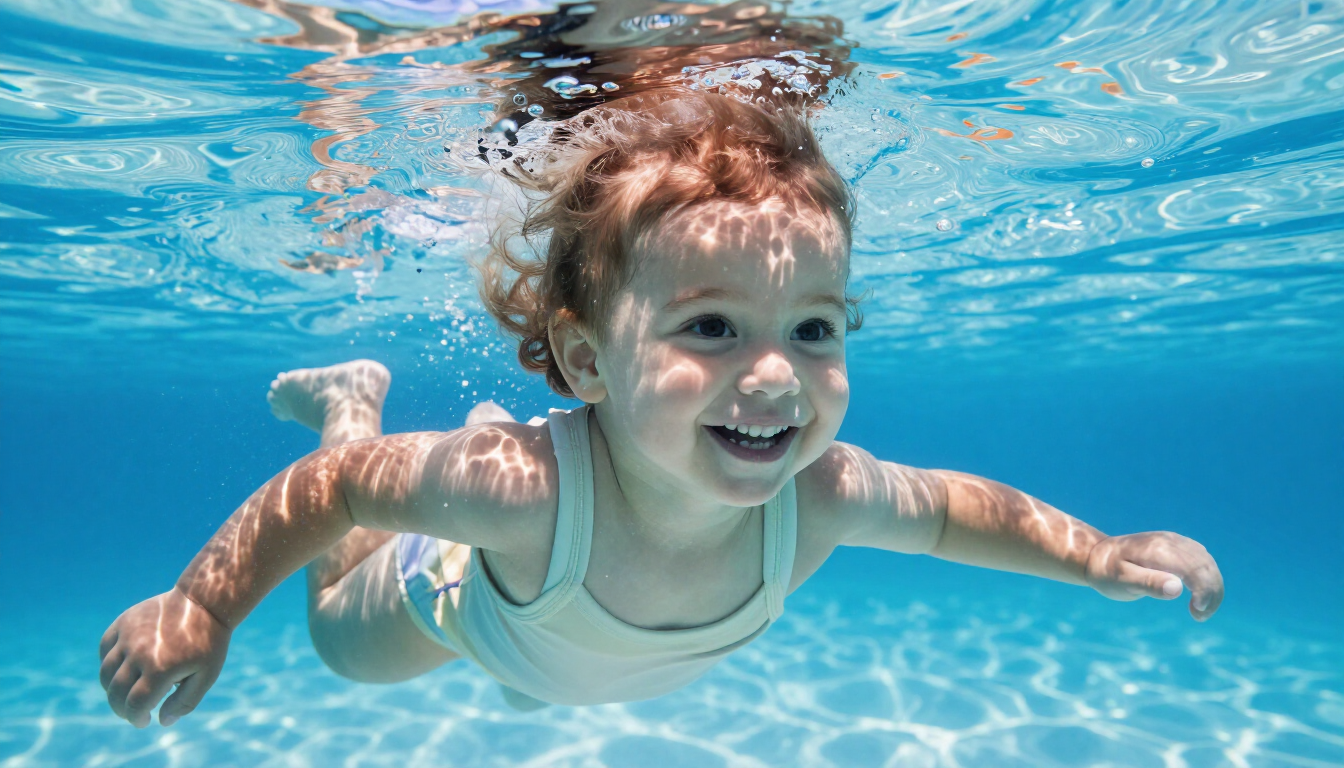
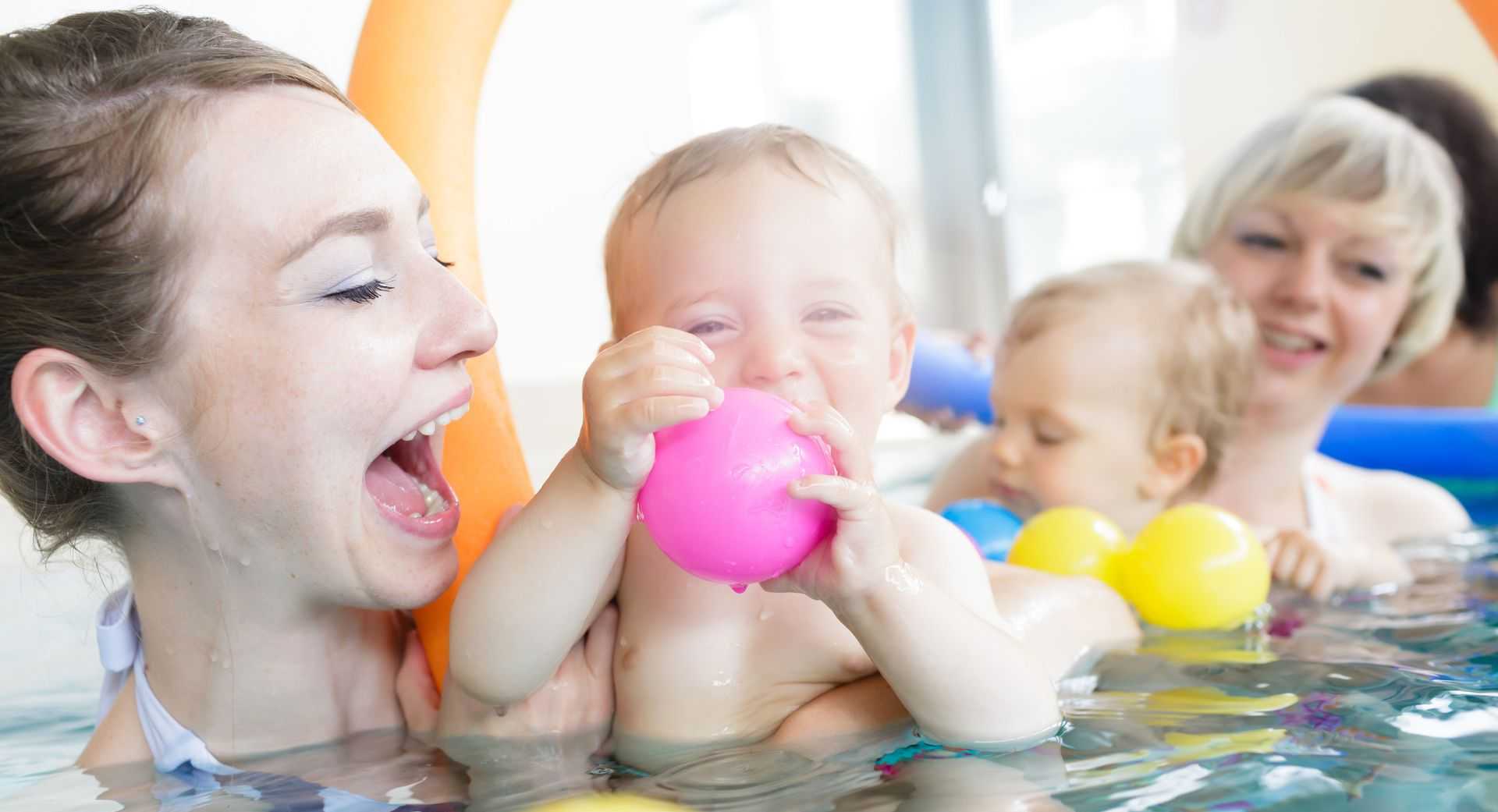
Baby in pool

Common Environmental Triggers

  • Acoustics: Indoor pools naturally echo, which can be loud and confusing for sensitive ears.
  • Water Temperature: While our pools are kept at comfortable temperatures, the transition from air to water can still be a physical shock.
  • Physical Fatigue: Swimming is a full-body workout. Even gentle splashing can tire out a little one faster than usual.
  • Hunger Cycles: The physical exertion of the pool often makes babies hungrier than their normal schedule dictates.
  • Nervous System Regulation: Some babies simply take longer to 'down-regulate' their nervous system after being introduced to a high-activity zone.

It is also helpful to consider the timing of your swim levels . If a lesson falls right during a typical nap time or just before a scheduled feeding, the 'fussy' factor increases exponentially. We always recommend trying to time your visit so your baby is well-rested and has had a light snack or milk about 30-45 minutes before entering the water.

How can parents help their baby stay calm in the pool?

The most powerful tool in any swim lesson is the parent’s own energy. Babies are experts at emotional mirroring . If you are tense, gripping them too tightly, or looking worried because they are crying, they will interpret your body language as a signal that there is something to fear. By maintaining a relaxed posture, a soft smile, and a steady, reassuring voice, you send the message that the water is a safe and happy place to be.

Consistency is the second most important factor. It can be incredibly tempting to skip a week if the previous lesson was difficult, but this actually reinforces the anxiety. When you show up every week, the environment becomes familiar. The 'scary' echoes become 'normal' pool sounds, and the instructor becomes a friendly face. Most of our students in Burnsville and Savage find their rhythm by the third or fourth consecutive class. If you are struggling, feel free to reach out to us on our contact page for specific advice from our veteran instructors.

Practical Strategies for a Tear-Free Transition

  1. Arrive Early: Give your child 10-15 minutes to sit on the pool deck and watch the class before yours. This allows them to acclimate to the sights and sounds without the immediate pressure of getting wet.
  2. Use Familiar Toys: If your child has a favorite water bath toy, bring it along. The familiarity can provide a much-needed emotional bridge between home and the pool.
  3. Keep Moving: Often, babies cry when they are held still in the water because they feel the temperature change more acutely. Keep them moving, bouncing, or swirling to help their circulation and keep them distracted.
  4. Positive Reinforcement: Celebrate every small win. Did they put their chin in the water? Give them a cheer! Did they hold onto the wall? Tell them how brave they are.
  5. Trust Your Instructor: Our staff is trained to handle crying. We have seen it all, and we have the techniques to help soothe your child while still progressing through the lesson plan.

Summary of Key Takeaways

  • Crying is normal: It is a communication tool for babies experiencing a new environment.
  • Check the basics: Ensure your child isn't hungry, tired, or cold before the lesson starts.
  • Consistency is key: Skipping lessons makes the adjustment period longer and harder.
  • Mirror calm: Your baby will look to you for how to feel; stay relaxed and positive.
  • Professional support: Our instructors are here to help you navigate this transition with confidence.

At our swim school, we believe every child can become a confident swimmer. Whether you are looking for Private Lessons or joining our group lessons, the goal remains the same: building a life-long love for the water. Don't let a few tears stop the progress; stay the course, and soon your baby will be splashing with joy instead of crying with confusion.

Recent Posts

Happy child swimming in an open indoor pool environment
March 28, 2026
Discover why Atlantis Swim Academy uses open space instead of dividers. Learn how unrestricted pools improve child confidence, endurance, and safety.
Young child learning to swim with instructor in a bright pool environment
March 22, 2026
Discover why science says young swimmers are smarter. Learn how early swim lessons boost cognitive development, motor skills, and bonding for children in Burnsville.
Child learning to swim with instructor in indoor pool
March 11, 2026
Discover essential tips for swim parents to help your child succeed in the water. Learn the do's and don'ts of swim lessons in Burnsville and Savage, MN.