How Long Does It Take for a Child to Learn to Swim?

October 10, 2026

Share this article

There is no exact timeline for when a child will learn to swim. Progress depends on factors like age, motor skills, and confidence. Most children require consistent lessons over several months to become competent, though supportive parenting and extra practice time can significantly accelerate skill development while keeping the process positive.

How long does it take for a child to learn to swim?

For many parents in Burnsville and Savage, the question of "how long" is the most common one we hear. While every child is unique, a general benchmark is that it takes about 20 to 30 hours of professional instruction for a child to achieve basic water competency. This doesn't mean they are Olympic athletes, but rather that they can safely enter the water, return to the surface, and navigate back to the edge.

However, this timeline is highly elastic. A toddler in our Water Babies program is focusing on water acclimation and basic safety, which looks very different from an older child learning technical strokes in our Sting Rays classes. Learning to swim is not a linear path; children often experience "plateaus" where they seem to stay at one level for a while before suddenly making a massive leap in skill. Understanding that this is a normal part of developmental biology can help ease parental anxiety.

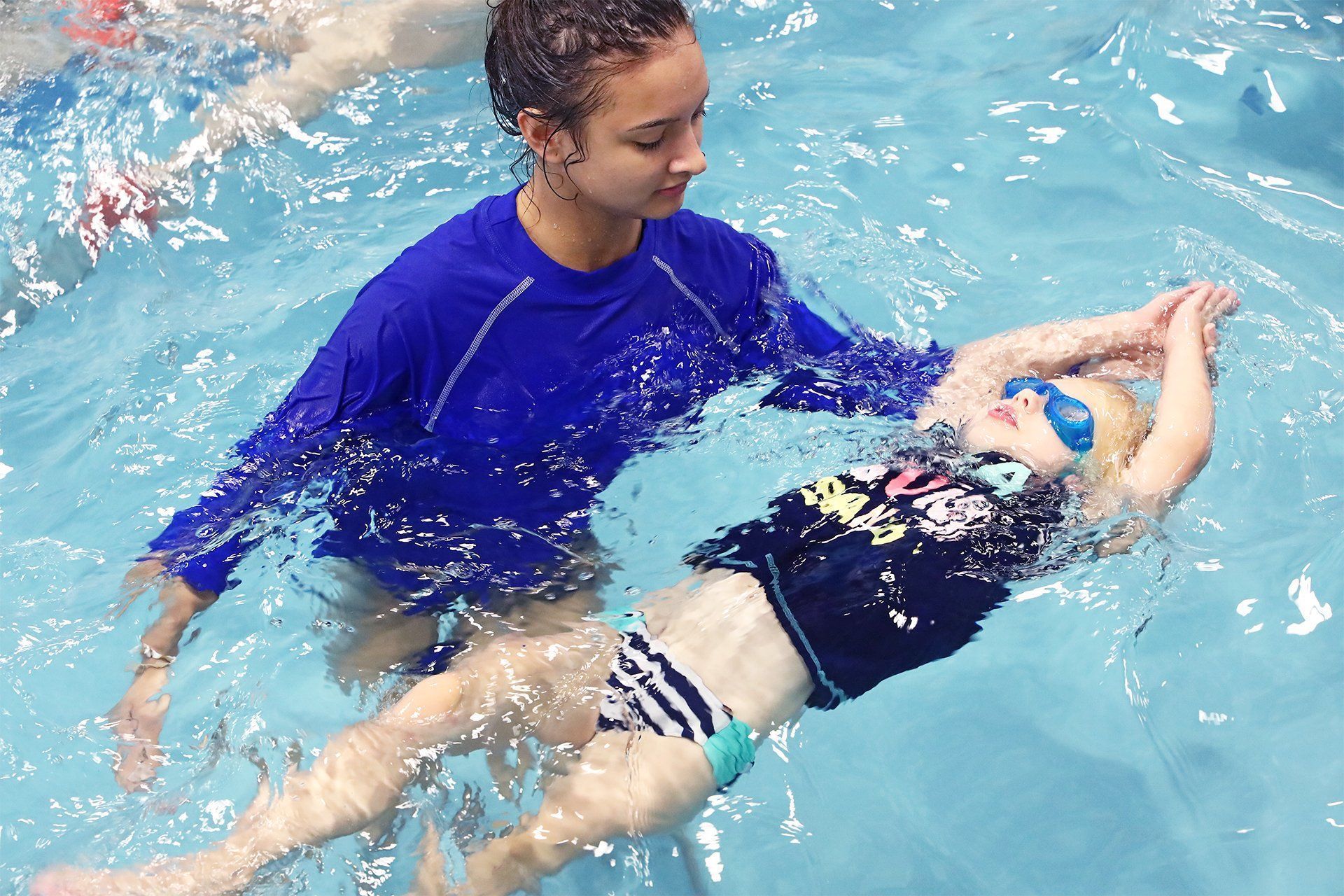
Professional swim instructor teaching a young child

What factors influence swimming progress?

Several internal and external factors dictate how quickly a child moves through the levels. While we aim for efficiency, we never sacrifice safety or the child's emotional well-being for speed.

  • Age and Physical Maturity: Younger children are still developing the gross motor skills required for complex movements like the breaststroke or butterfly.
  • Water Confidence: A child who is afraid of getting their face wet will naturally take longer than a child who is excited to jump in.
  • Cognitive Development: The ability to follow multi-step directions is crucial as children move into intermediate levels.
  • Prior Exposure: Children who have spent significant time in the water with parents often acclimate to formal lessons faster.
  • Instructional Consistency: Gaps in attendance can lead to "skill rot," where a child forgets what they learned in previous weeks.

The Role of Physical and Cognitive Development

Swimming is one of the few sports that requires total body coordination while simultaneously managing breathing. For a child to successfully swim across a pool, their brain must coordinate arm movements, leg kicks, and head rotation all at once. If a child’s motor skills are still catching up to their age group, they might struggle with specific strokes even if they have the best intentions.

Cognitively, children need to reach a level where they can understand the physics of the water. This is why our Swim Level Finder is so useful; it helps place children where they are developmentally ready to succeed. Pushing a child into a level they aren't physically or mentally ready for can actually slow down their progress by creating frustration and fear.

How to help your child progress faster

While you can't force developmental milestones, you can create an environment that encourages rapid learning. Parents play a pivotal role in the speed of a child’s progress. Here are the most effective ways to support your young swimmer:

  • Celebrate Small Wins: Focus on the fact that they blew bubbles or put their ears in the water rather than just when they finish a level.
  • Attend Open Swim: Use Open Swim sessions to let your child play without the pressure of formal instruction.
  • Maintain a Schedule: Consistency is king. Check our Schedules to ensure you can commit to a regular weekly slot.
  • Stay Positive: Children pick up on parental anxiety. If you are calm and confident, they are more likely to be as well.
  • Consider Private Lessons: For children who need extra focus, Private Lessons can provide the one-on-one attention needed to break through a plateau.
Happy family playing together during open swim

Why Consistency Matters for Skill Retention

One of the biggest hurdles to progress is the "stop-and-start" approach. When a child takes a break for a few months, they often spend the first few weeks of their return just relearning what they already knew. Swimming relies heavily on muscle memory. Just like playing an instrument, if the muscles aren't used to the movements, they lose the "groove."

By keeping lessons consistent year-round, children build a solid foundation that sticks. This is especially true for our younger students in Starfish and Seahorse levels, where repetition is the primary driver of learning. Continuous enrollment ensures that each lesson builds directly on the last, moving the child steadily toward their goals.

Finding the Right Class for Your Child

The most important step in the journey is ensuring your child is in the right environment. A class that is too easy will lead to boredom, while one that is too hard will lead to burnout. We offer a variety of programs tailored to different needs, including Special Needs Lessons and high-intensity Swim Clinics for those looking to sharpen specific skills.

Key Takeaways for Swim Parents

  • No Fixed Timeline: Accept that every child learns at their own pace based on biology and confidence.
  • Consistency is Crucial: Regular attendance prevents skill regression and builds muscle memory faster.
  • Play is Practice: Unstructured time in the water during open swim is just as valuable as lesson time.
  • Supportive Environment: A positive, pressure-free attitude from parents is the best catalyst for growth.
  • Evaluate Individual Needs: If progress stalls, consider a different format like private instruction to get back on track.

Recent Posts

Child smiling in a pool building water confidence
September 20, 2026
Learn how to help your child overcome fear of water with expert tips on gradual exposure, play, and swim lessons in Burnsville and Savage.
A happy toddler learning to swim independently in a bright blue pool.
August 11, 2026
Learn how Atlantis Swim Academy’s Toddler Transition Program helps children ages 2.5–3 move from Parent & Me to independent swim classes safely in Burnsville and Savage.
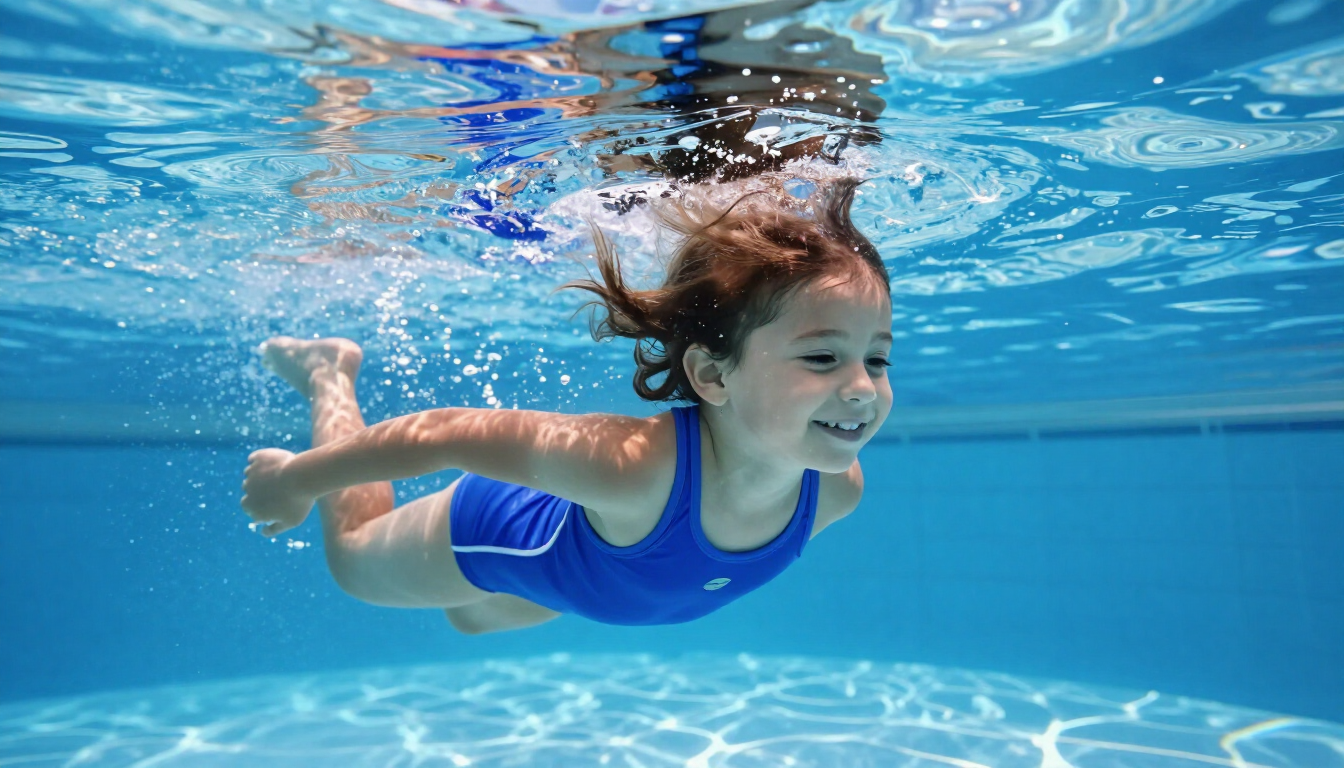
Child wearing goggles smiling at the edge of an indoor swimming pool.
August 11, 2026
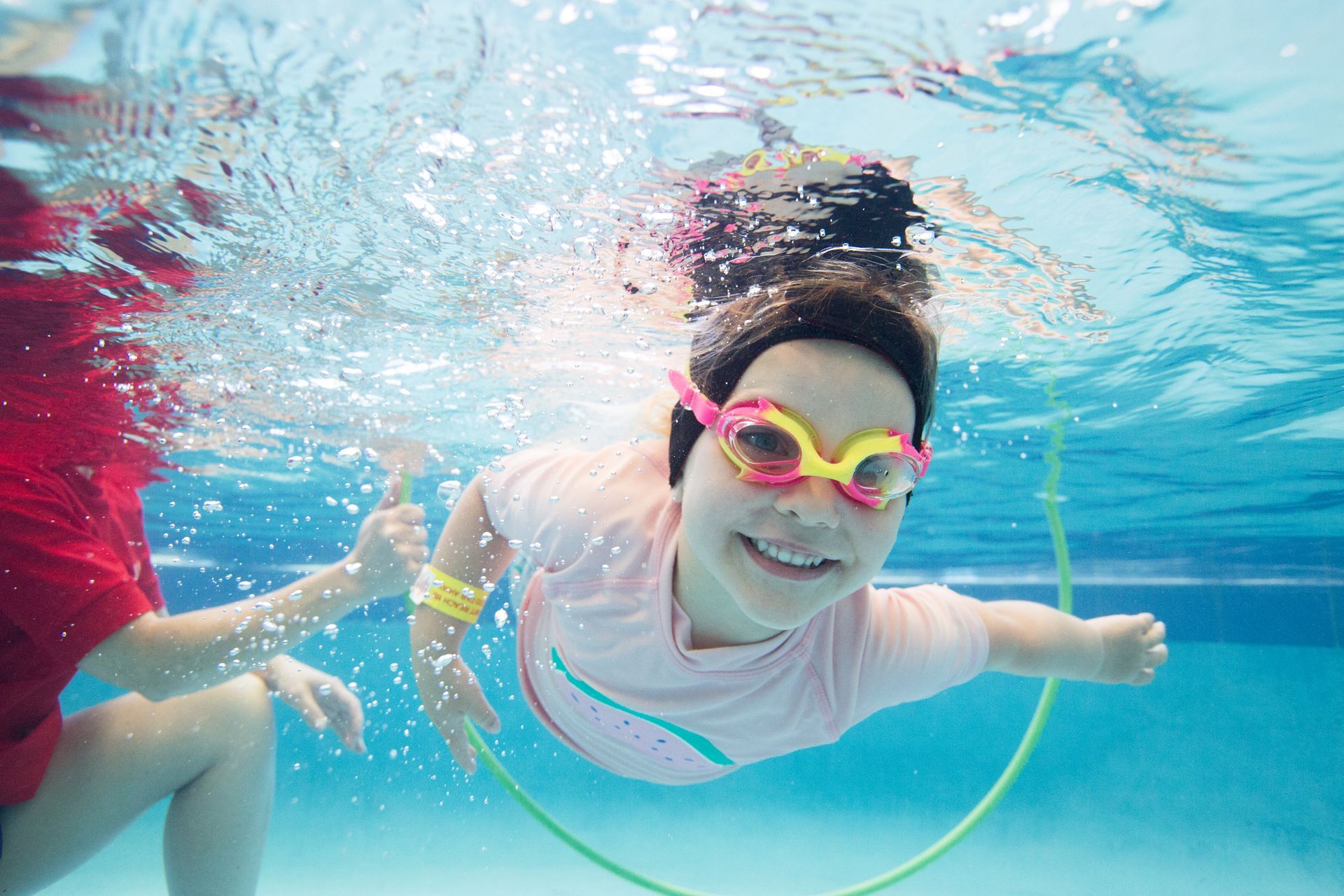
Discover why year-round swim lessons are a smart investment in your child’s safety and development. Learn about skill retention, confidence, and physical health.
May 31, 2026
What makes Atlantis Swim Academy unique?
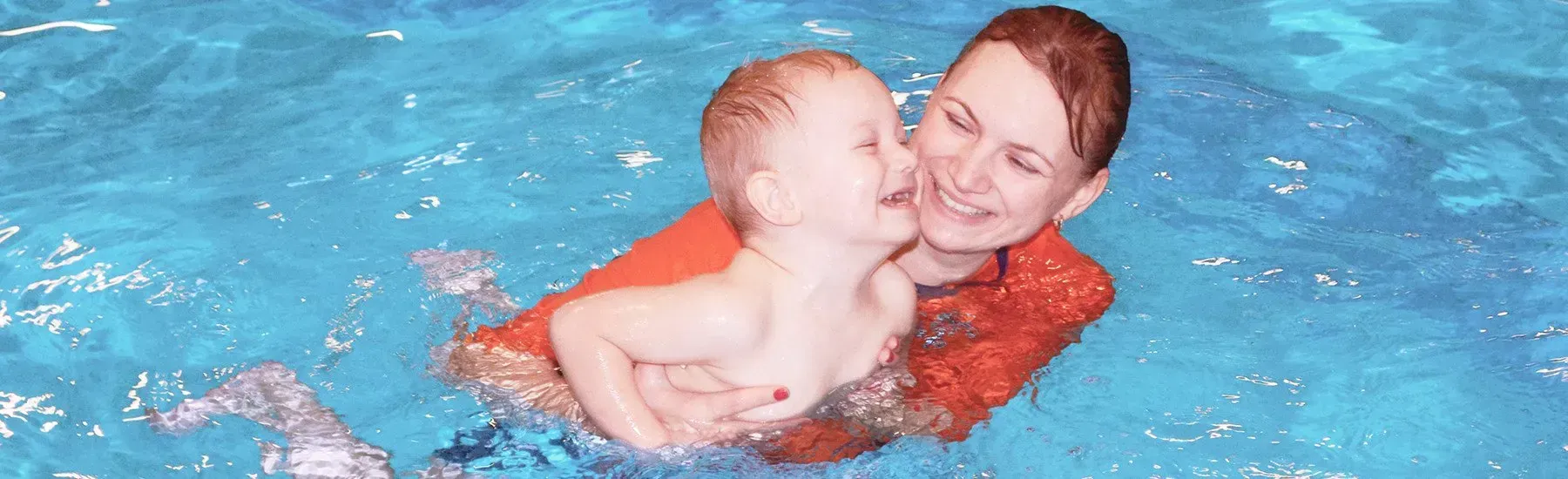
A baby being gently supported in a pool during a swim lesson with a smiling instructor.
April 26, 2026
Learn why babies cry during swim lessons and discover practical tips for parents to help their little ones adjust. Understand sensory overload, stranger anxiety, and the best ways to stay calm and positive in the water.
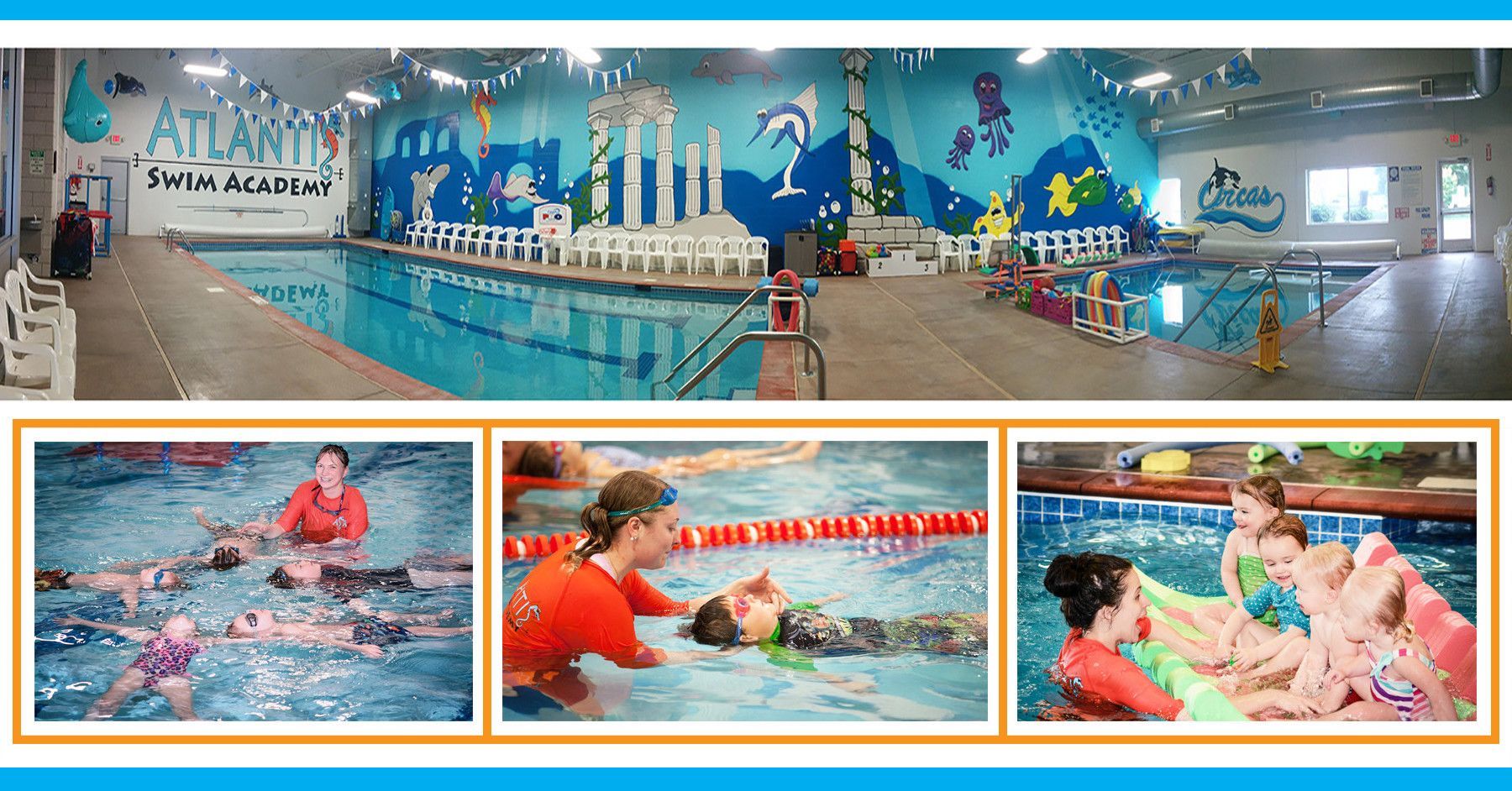
Happy child swimming in an open indoor pool environment
March 28, 2026
Discover why Atlantis Swim Academy uses open space instead of dividers. Learn how unrestricted pools improve child confidence, endurance, and safety.
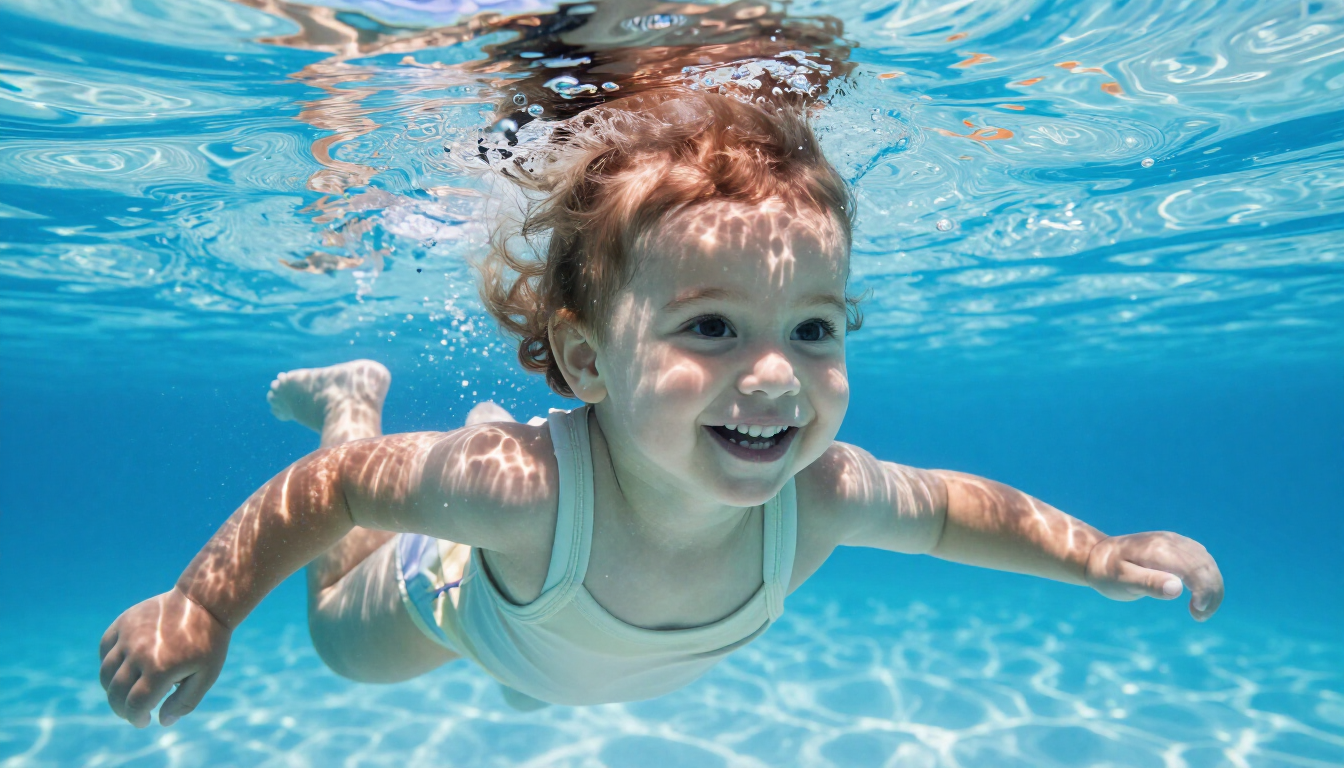
Young child learning to swim with instructor in a bright pool environment
March 22, 2026
Discover why science says young swimmers are smarter. Learn how early swim lessons boost cognitive development, motor skills, and bonding for children in Burnsville.
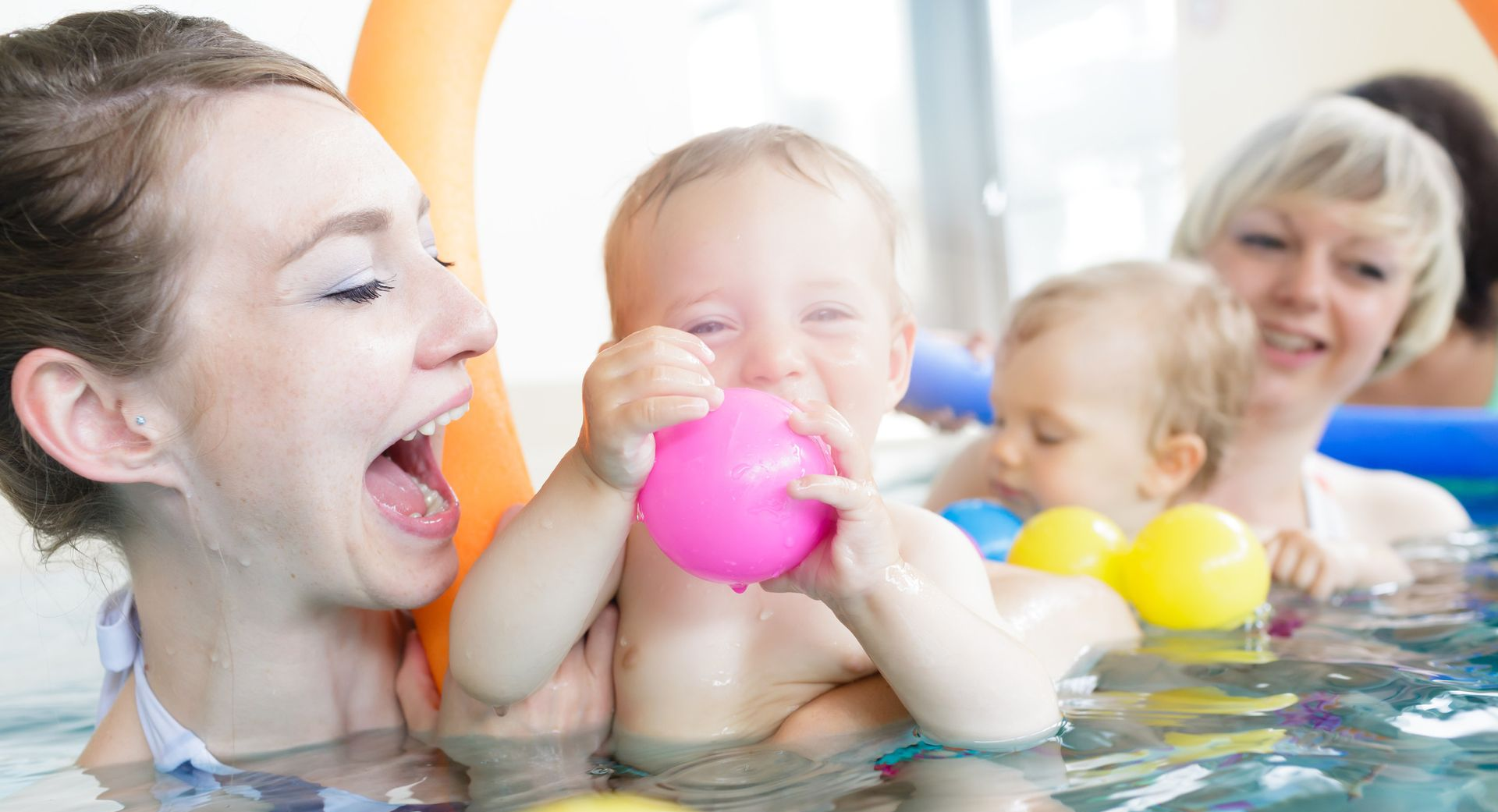
Child learning to swim with instructor in indoor pool
March 11, 2026
Discover essential tips for swim parents to help your child succeed in the water. Learn the do's and don'ts of swim lessons in Burnsville and Savage, MN.